
 EN
EN


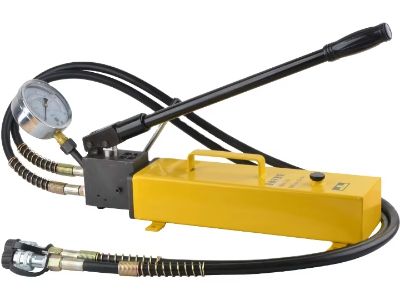
Manual vs. Electric Cable Cutters: Which One Is Right for Your Business?
Choosing the right cable cutting tool can significantly improve productivity, precision, and workplace safety. Manual and electric cable cutters each have their own advantages, depending on the type of work you perform and the volume of cables you handle.
For professionals working with electrical installations, manufacturing, or construction, selecting the proper cutting and crimping equipment including a hydraulic crimper tool, wire crimper tool, and cable crimper can improve efficiency while ensuring reliable connections and clean cable preparation.
How Do Manual and Electric Cable Cutters Compare?
Manual cable cutters are simple hand-operated tools designed for light to medium-duty applications. They require no external power source, making them portable, affordable, and ideal for occasional use. These tools are commonly used by electricians, maintenance technicians, and DIY users who perform smaller cable-cutting tasks.
Electric cable cutters, by comparison, use battery or electric power to cut cables quickly with minimal physical effort. They are capable of handling thicker cables and repetitive cutting jobs much faster than manual tools.
The primary differences include:
Cutting speed
Power capacity
Ease of use
Portability
Maintenance requirements
Cost of ownership
For professionals who also perform cable termination, pairing an electric cutter with a hydraulic crimper tool, wire crimper tool, or cable crimper creates a complete solution for cable installation projects.
How Do You Choose the Right Cable Cutter for Your Business?
The best cable cutter depends on the type of work your business performs.
If you only cut cables occasionally, a manual cutter is often sufficient. It is lightweight, easy to transport, and requires little maintenance. These tools are ideal for service technicians, maintenance work, and small electrical projects.
For businesses that process large volumes of cable every day, electric cable cutters are a more efficient investment. Manufacturing facilities, utility companies, and construction contractors benefit from faster cutting speeds and reduced operator fatigue.
When selecting a cable cutter, consider the following:
Cable size and material
Daily cutting volume
Battery life or power source
Portability
Safety features
Maintenance requirements
Long-term operating costs
Professionals frequently pair electric cutters with a hydraulic crimper tool, wire crimper tool, and cable crimper to complete cable preparation and installation more efficiently.
How Do Electric Cable Cutters Improve Productivity?
Electric cable cutters are designed to reduce manual effort while increasing work efficiency.
Unlike manual cutters, which require continuous hand pressure, electric models perform the cutting action automatically. This allows technicians to complete repetitive tasks much faster while maintaining consistent cutting quality.
Some of the key productivity benefits include:
Faster cutting speed
Reduced worker fatigue
Cleaner and more precise cuts
Improved workflow
Greater consistency across multiple jobs
These advantages are especially valuable in manufacturing plants, electrical assembly lines, telecommunications projects, and utility installations where hundreds of cables may need to be processed each day.
Using an electric cutter alongside a hydraulic crimper tool and wire crimper tool creates a streamlined workflow from cutting to crimping.
Why Are Electric Cable Cutters a Smart Investment for Wholesale Buyers?
Wholesale buyers often prioritize tools that increase productivity while lowering long-term operating costs.
Electric cable cutters offer several advantages over manual models:
Faster project completion
Reduced labor costs
Consistent cutting quality
Lower operator fatigue
Longer service life
Higher workplace efficiency
Because these tools require less physical effort, employees can complete more work during each shift without sacrificing quality. This makes electric cutters an excellent investment for businesses that regularly process electrical cables.
Many companies also purchase complementary equipment such as a hydraulic crimper tool, wire crimper tool, and cable crimper to provide complete cable installation solutions for their teams.
Where Can You Source High-Quality Electric Cable Cutters?
Finding a reliable supplier is essential when purchasing professional cable-cutting equipment.
Some of the best sourcing options include:
Industrial trade shows
Authorized distributors
Professional tool manufacturers
Industrial equipment suppliers
Reputable online marketplaces
Before placing a bulk order, compare product specifications, warranty coverage, customer reviews, and after-sales support. Requesting product samples or demonstrations can also help verify quality before making a larger investment.
Businesses should also consider suppliers that offer complete electrical tool solutions, including a hydraulic crimper tool, wire crimper tool, and cable crimper, ensuring compatibility across multiple applications.
How Do Electric Cable Cutters Improve Workplace Safety?
Safety is one of the biggest advantages of electric cable cutters.
Because the motor performs most of the cutting work, operators exert less force, reducing muscle strain and the risk of repetitive stress injuries. This is especially beneficial for technicians who perform cutting tasks throughout the day.
Modern electric cable cutters also include advanced safety features such as:
Automatic shut-off protection
Overload protection
Anti-jam mechanisms
Ergonomic handles
Precision cutting controls
These features help minimize operator error while producing cleaner, more accurate cuts.
For complete cable installation safety, professionals often combine electric cutters with a hydraulic crimper tool, wire crimper tool, and cable crimper, allowing secure cable preparation and reliable electrical connections.
Why Should You Invest in Professional Cable Cutting Tools?
Investing in high-quality cable cutting equipment improves efficiency, accuracy, and workplace safety. Whether you choose a manual cutter for occasional work or an electric model for high-volume applications, selecting the right tool can significantly enhance productivity.
For electrical professionals, combining electric cable cutters with a hydraulic crimper tool, wire crimper tool, and cable crimper creates a comprehensive solution for cutting, preparing, and terminating cables with precision. By investing in durable, professional-grade tools, businesses can reduce downtime, improve work quality, and achieve long-term operational savings.
Table of Contents
- Manual vs. Electric Cable Cutters: Which One Is Right for Your Business?
- How Do Manual and Electric Cable Cutters Compare?
- How Do You Choose the Right Cable Cutter for Your Business?
- How Do Electric Cable Cutters Improve Productivity?
- Why Are Electric Cable Cutters a Smart Investment for Wholesale Buyers?
- Where Can You Source High-Quality Electric Cable Cutters?
- How Do Electric Cable Cutters Improve Workplace Safety?
- Why Should You Invest in Professional Cable Cutting Tools?